Manual Lymph Drainage (MLD)

Gentle, Effective Lymphatic Therapy

Reduce swelling • Improve circulation • Support immune function

What is Manual Lymph Drainage?

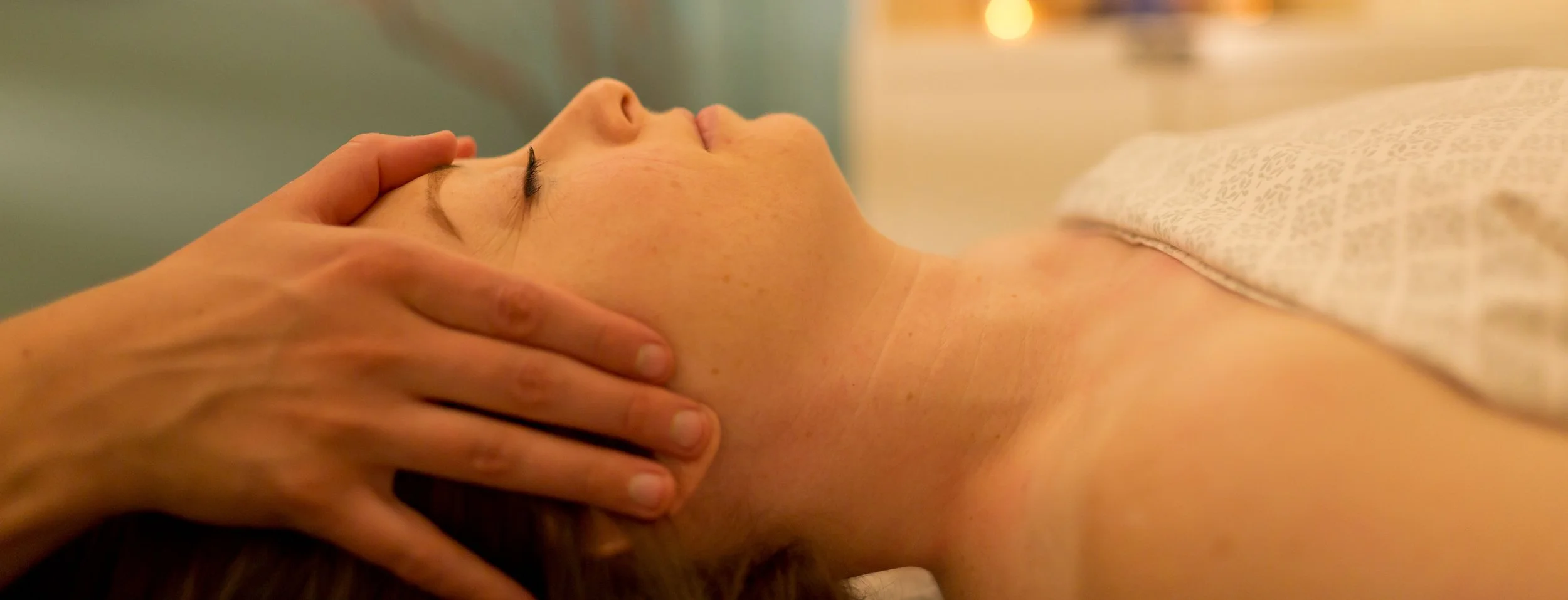
Manual Lymph Drainage is a gentle, rhythmic technique that supports the body’s natural fluid movement. Using light, precise pressure, MLD encourages circulation through the lymphatic system.

Unlike deep tissue massage, which targets muscles and may slow lymph flow, MLD works specifically with the lymphatic system. While the touch is subtle, the effects on the body can be significant. Mention origins (Vodder method) and modern clinical uses.

Who performs it here: Licensed massage therapists trained in lymphatic techniques and certified MLD practitioners.

Benefits

  • Reduces swelling after injury, surgery, or from lymphedema

  • Speeds recovery and reduces bruising

  • Improves circulation and immune support

  • Relieves sinus congestion and headaches for some clients

  • Reduces heaviness and discomfort in limbs

  • Enhances tissue detoxification and skin health

Conditions for MLD

  • Primary and secondary lymphedema (post-cancer surgery/radiation)

  • Post-operative swelling (orthopedic, cosmetic)

  • Acute injuries with localized swelling

  • Fibromyalgia and chronic pain with fluid retention

  • Sinus congestion and post-viral swelling

  • Chronic venous insufficiency-related swelling

What to Expect — The Session

  • Prep & arrival: Drink at least 16oz of water 2 hours before your session. Wear loose clothing; bring medical history and referral if available; arrive 10 minutes early. If mobility is a concern- arrange for transportation.

  • Length: Typical sessions 60 minutes; initial visits may be 60–90 minutes.

  • Setting: Quiet treatment room, patients are typically undressed to their level of comfort in between sheets. Patient can be clothed in loose clothing if dressing/undressing is difficult or time consuming.

  • Technique: Therapist uses light, rhythmic strokes following lymphatic pathways; may include proximal-to-distal clearing, trunk work before limbs, and gentle range-of-motion.

  • Measurement: Depending on the goals, practitioner may take measurements of limbs to help track progress.

  • Comfort & safety: Pressure is light and rhythmic treatment is normally very relaxing. Therapists monitor for pain or unusual sensations.

  • Aftercare: Drink extra fluids, rest, avoid heavy exertion for 24 hours, follow home-care lymphatic exercises if provided.

Initial evaluation & intake

  • Medical history: Cancer history, mastectomy/lymph node removal, infections, blood clots, heart/kidney conditions, medications, and pregnancy.

  • Contraindications:

    • Acute infection or fever

    • Untreated deep vein thrombosis (DVT)

    • Congestive heart failure or unstable heart/kidney disease (consult physician)

    • Active cancer without medical clearance (discuss with oncologist)

    • Severe arterial disease

  • Note on safety: Therapists screen and coordinate with referring providers as needed.

Pricing & Session Options

  • Initial evaluation + treatment (60–90 min):$175

  • Follow-up MLD (45–60 min): $150

  • Package option: $650 5-session plan with discount

Practitioners certified in Vodder Technique

  • Stephanie Massey

  • Maggie Little Reece

    “As a practitioner helping patients with chronic pain for almost 20 years, it is very exciting to have a massage technique that is so effective while also non-invasive”. -Stephanie Massey

Frequently Asked Questions (FAQ)

  • Is MLD painful? No — it’s gentle; tell us if it hurts.

  • How many sessions will I need? Depends on condition; acute swelling may improve in a few sessions; chronic lymphedema often needs ongoing care and maintenance.

  • Can I get MLD after cancer? Yes with medical clearance; MLD is commonly used for post-cancer lymphedema.

  • Is MLD the same as massage? No — MLD is specialized, light-touch technique focusing on lymphatic circulation.

  • Will MLD remove toxins? It supports lymphatic drainage and tissue clearance; combine with hydration and movement for best effect.

How It Works

The lymphatic system is part of the body’s filtration and transport network. When flow becomes sluggish—due to surgery, injury, or systemic stress—fluid and metabolic waste can accumulate.

MLD helps restore this movement, supporting the body’s ability to clear excess fluid, regulate inflammation, and promote healing.

MLD for Chronic Pain

Manual Lymph Drainage (MLD) can be a valuable supportive therapy for individuals living with chronic pain and systemic conditions. Its gentle, non-invasive approach works with the body rather than against it, making it especially appropriate for sensitive or easily overstimulated systems.

Pre- and Post-Operative Care

Let MLD help prepare your body for surgery and improve your surgery outcomes. For surgical preparation and recovery, a short series of sessions is recommended:

  • Before surgery: 3–5 sessions in the week leading up

  • After surgery: 3–5 sessions in the week following

Why It Helps

Supporting the lymphatic system before surgery improves the body’s ability to manage inflammation afterward. Post-operative sessions assist in efficient fluid movement during healing.

Benefits

  • Reduces swelling (edema) and discomfort

  • Decreases pain

  • Minimizes bruising

  • Supports tissue repair and reduces scarring

  • Encourages bowel motility

Common Applications

MLD is commonly used to support recovery and reduce complications in:

  • Bariatric procedures

  • Joint replacements

  • Sports injuries

  • Plastic and reconstructive surgery

  • Breast cancer recovery

  • Cellulite and lipedema

  • Cesarean section recovery

Additional Uses Beyond Surgery

MLD may also be beneficial for:

  • Autoimmune conditions

  • Neck and shoulder injuries

  • Chronic Pain

  • Fibromyalgia

  • Restless Leg Syndrome

  • Ehler’s Danlos Syndrom

  • Fracture recovery

  • Motor vehicle accidents

  • Eczema

  • Alopecia

  • Postural strain

  • Dental procedures

  • Radiation-related tissue effects

How often should your receive MLD?

Depending on the condition, initially MLD sessions have the most effective results when received consecutively or 1-2x per week for 4 weeks. Self MLD is a great tool and can be taught by your practitioner to help keep the lymphatic system flowing between sessions. Once symptoms decrease 1x per month or at least 1x every 3 months is recommended.

A Simple Analogy

Just as routine maintenance keeps a vehicle running efficiently, preparing the lymphatic system before a major physical stressor can improve recovery outcomes. Supporting flow ahead of surgery helps the body respond more effectively.

Schedule a Manual Lymphatic Drainage Session